
Anthropic asked 81,000 AI users what they want from AI
Anthropic has published one of the largest public studies on how people actually want to use AI, drawing on 80,508 interviews with Claude users across 159 countries and 70 languages. The study found that most users want AI for practical support at work and in daily life.
Work News | New Stardom
Trend Analysis
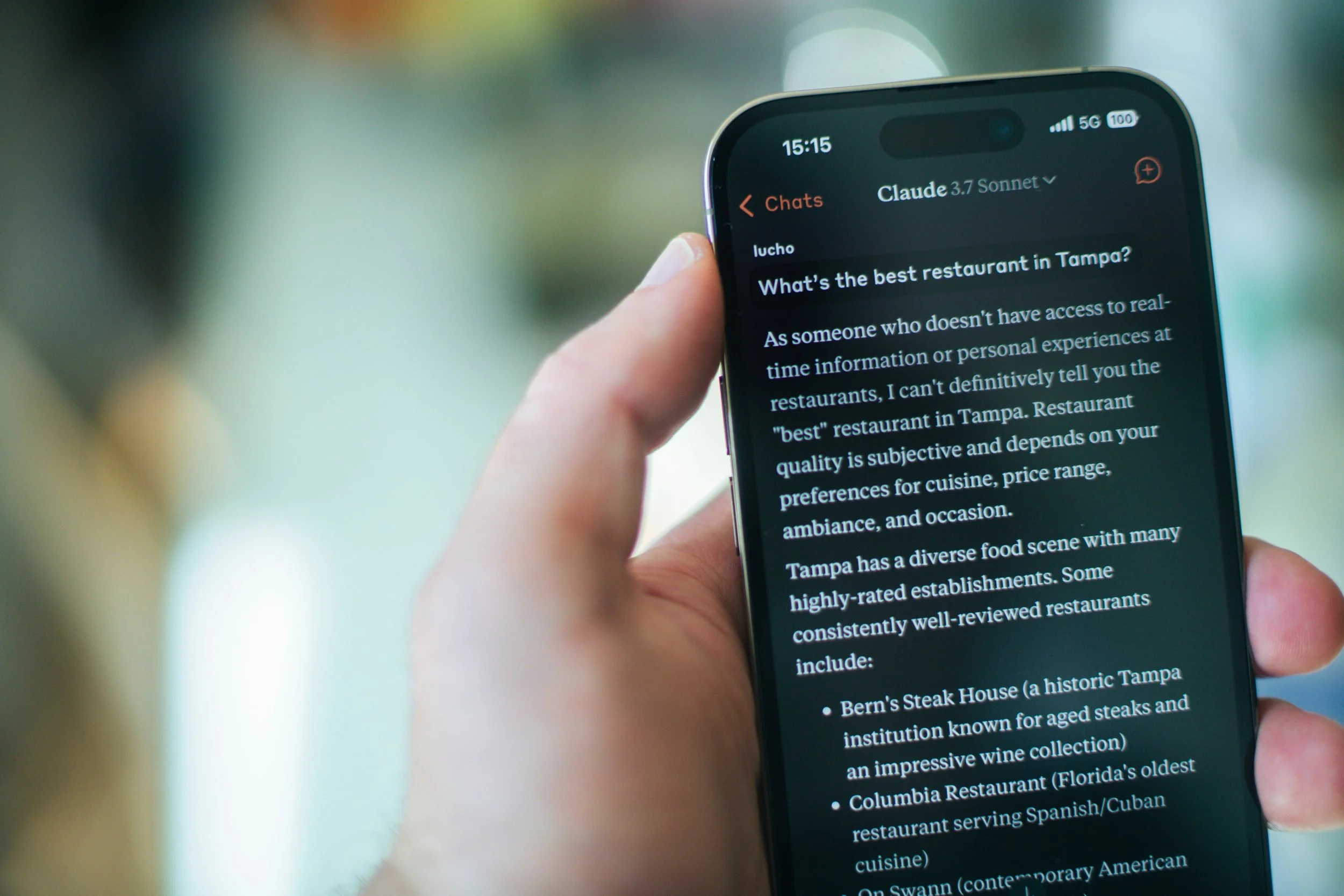
Photo by Aerps.com
The research, published on March 18, is based on open-ended interviews conducted over one week in December 2025 using Anthropic’s own AI interviewer. Respondents were asked what they hoped AI could do for them, what they feared, and whether the technology had already helped. Anthropic says it is the largest and most multilingual qualitative study of its kind.
The largest category was what Anthropic labels “professional excellence”, which made up 18.8% of responses. Users said they wanted AI to take over routine tasks so they could spend more time on higher-value work such as strategy, problem-solving and deeper professional focus. Personal transformation followed at 13.7%, then life management at 13.5% and time freedom at 11.1%, with financial independence, societal transformation, entrepreneurship, learning and creative expression all ranking lower.
Read Next
White-Collar Hiring Weakens While Health and Care Jobs Grow
What’s interesting, though not surprising, is that for many respondents, the technology is tied to workload, administration and mental clutter. They want support with documentation, scheduling and repetitive tasks, and Anthropic notes that when people were asked what productivity would give them, the answers often pointed beyond work to family time, rest and more breathing space in daily life.
What also comes through clearly is that people often describe AI as both useful and unsettling. Anthropic says hope and alarm often appeared in the same interview rather than separating users into simple pro- and anti-AI camps. One lawyer quoted in the report says AI helps review contracts and save time, while also raising the fear of losing the ability to read independently. “Thinking was the last frontier,” the respondent says.
That tension runs through the findings on risk. The most common concern was unreliability, including hallucinations and the time required to verify output, followed by worries about jobs and the wider economy. The dominant fears were immediate and practical, centred on whether the technology can be trusted and how it may reshape work.
Anthropic also reports that 81% of respondents said AI had already taken at least one step towards the future they wanted, with productivity the area where users most often felt the technology had delivered. Remember, the study captures the views of current Claude users who chose to participate, not a representative slice of the broader public. The result is still valuable, especially at this scale, but it works best as a portrait of engaged AI users rather than a definitive measure of public opinion.
Even with those limits, we learn something important about the direction of demand. When users describe a better future with AI, they are often describing something ordinary and concrete, which is fewer administrative burdens, less mental overload, more room to do their jobs properly and more control over their time. Look past the AI framing and the study reads almost like a report on the state of work. The appeal of these tools lies not only in speed or novelty, but in the promise of relief from admin-heavy jobs, constant cognitive switching and the pressure to stay productive across every part of the day.
Follow global work and job trends. Subscribe to New Stardom’s newsletter.
This work is funded directly by readers who value independent reporting.
If you find this useful, you can support New Stardom’s independent journalism.
Read Next
Have insights on work and the future of work? Submit an opinion piece to New Stardom. Love work and career books? Explore our fun workplace book collection.
New Stardom is an independent magazine covering the Future of Work, AI, and emerging job trends.
